


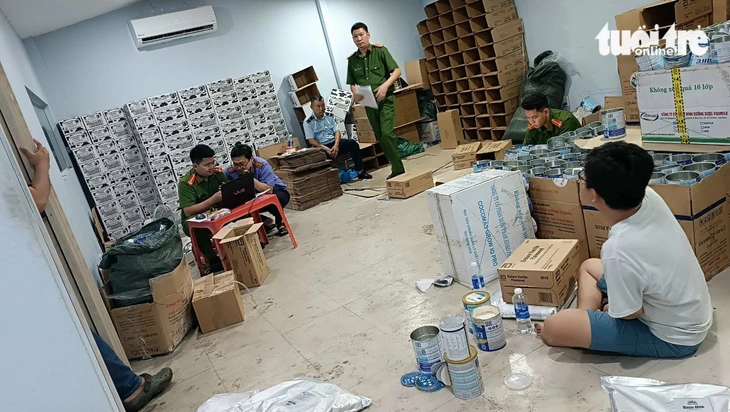
Strengthening Controls from Traditional Markets to Social Media
Food safety remains a growing public concern as consumers increasingly purchase groceries not only from traditional markets and supermarkets but also through social media platforms and online marketplaces. While digital commerce has made shopping more convenient, it has also created new challenges for monitoring food quality and ensuring consumer protection.
Experts agree that reducing the circulation of unsafe food requires coordinated efforts across the entire supply chain—from production and distribution to both physical and online sales channels.
The Challenge of Unsafe Food
Unsafe food may include products that are:
- Produced under unsanitary conditions.
- Contaminated with harmful bacteria or chemicals.
- Labeled with false or misleading information.
- Sold without clear origin or traceability.
- Stored or transported improperly.
Such products can increase the risk of foodborne illnesses and undermine consumer confidence.
Why Traditional Markets Still Matter
Traditional markets continue to serve millions of consumers every day. They offer fresh produce and competitive prices, but food safety oversight can sometimes be inconsistent.
Key challenges include:
- Inadequate refrigeration.
- Limited product traceability.
- Informal supply chains.
- Variable hygiene standards.
- Difficulty verifying product origins.
Improving inspection systems, vendor education, and sanitation standards can help strengthen food safety in these markets.
The Rise of Food Sales on Social Media
Social media has become an increasingly popular platform for selling homemade foods, imported snacks, fresh produce, and dietary products.
While many legitimate businesses operate online, consumers may also encounter products that:
- Lack ingredient labels.
- Do not display expiration dates.
- Have no business registration information.
- Make misleading health claims.
- Cannot be traced back to a verified manufacturer.
Because online sellers can quickly create or remove accounts, regulatory oversight can be more challenging than in traditional retail settings.
The Importance of Traceability
Being able to trace food products back to their source is essential for protecting public health.
Effective traceability allows authorities to:
- Identify contaminated products quickly.
- Conduct targeted recalls.
- Reduce the spread of foodborne illnesses.
- Improve consumer confidence.
- Hold businesses accountable for food safety violations.
Technologies such as QR codes, digital records, and supply chain tracking systems are becoming increasingly valuable tools.
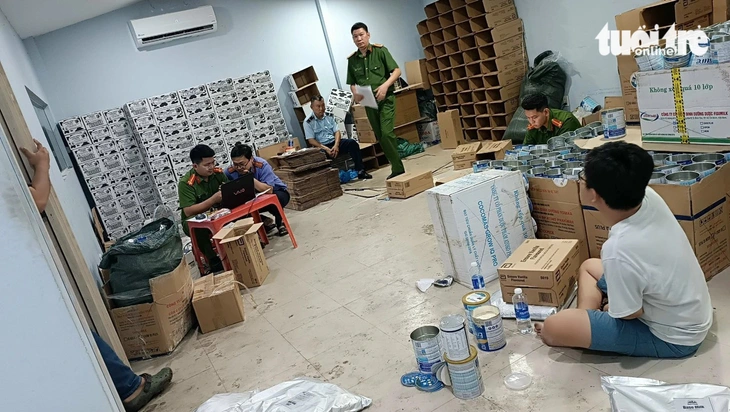
The Role of Government and Businesses
Ensuring food safety requires cooperation between regulators and food businesses.
Authorities can strengthen oversight by:
- Conducting routine inspections.
- Enforcing food labeling regulations.
- Monitoring online sales channels.
- Penalizing fraudulent food businesses.
- Educating consumers about food safety.
Meanwhile, responsible businesses should:
- Maintain hygienic production practices.
- Clearly label products.
- Provide accurate ingredient information.
- Store food at appropriate temperatures.
- Respond promptly to safety concerns.
What Consumers Can Do
Consumers also play an important role in reducing the demand for unsafe food.
Before making a purchase:
- Check whether the seller provides clear business information.
- Read product labels carefully.
- Look for manufacturing and expiration dates.
- Avoid products with unrealistic health claims.
- Purchase from reputable retailers whenever possible.
- Report suspicious products to local authorities.
When buying food online, reviewing customer feedback and verifying the seller’s credibility can provide additional reassurance.
Building a Safer Food Environment
Food safety is a shared responsibility involving producers, distributors, retailers, regulators, online platforms, and consumers.
As digital commerce continues to expand, regulatory systems must evolve to monitor both traditional and online markets effectively. At the same time, increasing public awareness can help consumers make safer purchasing decisions.
Final Thoughts
Preventing unsafe food requires more than inspections at traditional markets. As food sales increasingly move online, stronger oversight of social media platforms, improved product traceability, responsible business practices, and informed consumers all become essential components of a modern food safety system.
By strengthening controls across every stage of the food supply chain, communities can reduce food safety risks while protecting public health and consumer trust.
Disclaimer: This article is intended for informational purposes only. Food safety regulations vary by country and region. Consumers should follow guidance issued by their local food safety authorities and report suspected food safety violations through official channels



Để lại một bình luận