


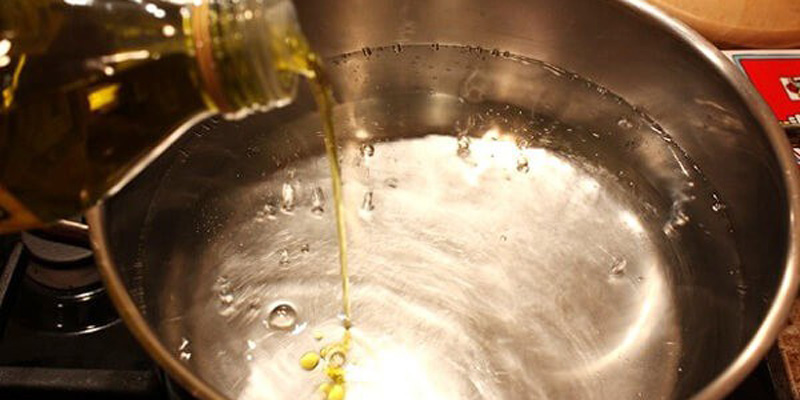
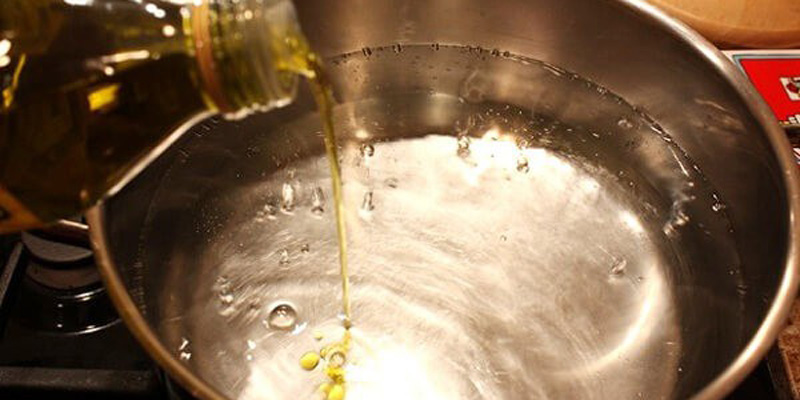
Boiling Vegetables? Don’t Just Use Plain Water
Boiling Vegetables? Don’t Just Use Plain Water—Add This One Simple Ingredient for Vibrant Green, Delicious Veggies
Boiled vegetables are a healthy and essential part of many meals, but it’s not uncommon for them to lose their bright color and become dull or mushy after cooking. Fortunately, experienced home cooks have a simple trick that can help vegetables stay vibrant, crisp, and more appetizing.
The secret? Add a small pinch of salt to the boiling water.
While it may sound simple, using salt correctly—along with proper cooking techniques—can make a noticeable difference in both the appearance and taste of your vegetables.
Why Add Salt to Boiling Water?
Salt does much more than season vegetables. When added to boiling water, it can help:
- Enhance the vegetables’ natural flavor.
- Preserve their bright green color during cooking.
- Slightly strengthen plant cell walls, helping vegetables remain crisp instead of becoming overly soft.
- Improve the overall eating experience without requiring extra seasoning afterward.
However, moderation is key. A small amount of salt is all you need.
How Much Salt Should You Use?
For most vegetables, use approximately:
- 1 teaspoon of salt per 2–3 liters (about 2–3 quarts) of boiling water.
This amount lightly seasons the vegetables without making them overly salty.
Vegetables That Benefit Most
This method works particularly well with green vegetables such as:
- Broccoli
- Green beans
- Spinach
- Bok choy
- Chinese broccoli
- Snow peas
- Asparagus
- Brussels sprouts
These vegetables naturally contain chlorophyll, the pigment responsible for their green color. Proper cooking helps preserve this pigment.
Don’t Overcook Your Vegetables
One of the biggest mistakes people make is boiling vegetables for too long.
Overcooking can lead to:
- Faded color
- Mushy texture
- Loss of nutrients
- Reduced flavor
As a general guideline:
- Leafy greens: 1–3 minutes
- Broccoli: 2–4 minutes
- Green beans: 3–5 minutes
- Asparagus: 2–4 minutes
Cooking times may vary depending on the size of the vegetables and personal preference.
Use an Ice Bath After Boiling
Professional chefs often transfer vegetables directly from boiling water into a bowl of ice water.
This process, known as blanching and shocking, quickly stops the cooking process and helps:
- Preserve bright color.
- Maintain a crisp texture.
- Prevent vegetables from becoming overcooked.
- Prepare vegetables for salads, stir-fries, or freezing.
After one to two minutes in ice water, drain the vegetables thoroughly before serving or cooking further.
Avoid Adding Baking Soda
Some people recommend adding baking soda to boiling water to keep vegetables greener.
While baking soda can temporarily intensify the green color, it also has drawbacks:
- It may create an overly soft or mushy texture.
- It can alter the vegetables’ natural flavor.
- It may reduce certain heat-sensitive nutrients, such as vitamin C.
For these reasons, most culinary experts recommend using salt and proper cooking time instead.
Additional Tips for Perfect Boiled Vegetables
For the best results:
- Bring the water to a full boil before adding vegetables.
- Use a large pot with plenty of water.
- Avoid overcrowding the pot.
- Cook vegetables uncovered to help preserve their bright color.
- Drain immediately once they reach your desired tenderness.
- Season with olive oil, butter, garlic, lemon juice, or herbs after cooking for extra flavor.
Common Mistakes to Avoid
To keep vegetables looking and tasting their best, avoid:
- Starting vegetables in cold water.
- Boiling for too long.
- Leaving cooked vegetables in hot water.
- Using too little water.
- Reheating vegetables repeatedly.
Each of these mistakes can affect texture, flavor, and appearance.
Final Thoughts
A small pinch of salt added to boiling water is a simple yet effective technique that enhances the flavor and appearance of many vegetables. Combined with short cooking times and an ice bath, it helps vegetables remain bright green, tender-crisp, and delicious.
While no single ingredient can guarantee perfect results every time, proper cooking techniques make a significant difference. With these easy tips, you can prepare vegetables that are both nutritious and visually appealing—making them more enjoyable for the whole family.
Disclaimer: This article is for informational and culinary purposes only. Individuals following a sodium-restricted diet should adjust salt usage according to their healthcare provider’s recommendations


Để lại một bình luận