


One Common Habit That May Put Your Kidneys at Risk, According to Doctors
One Common Habit That May Put Your Kidneys at Risk
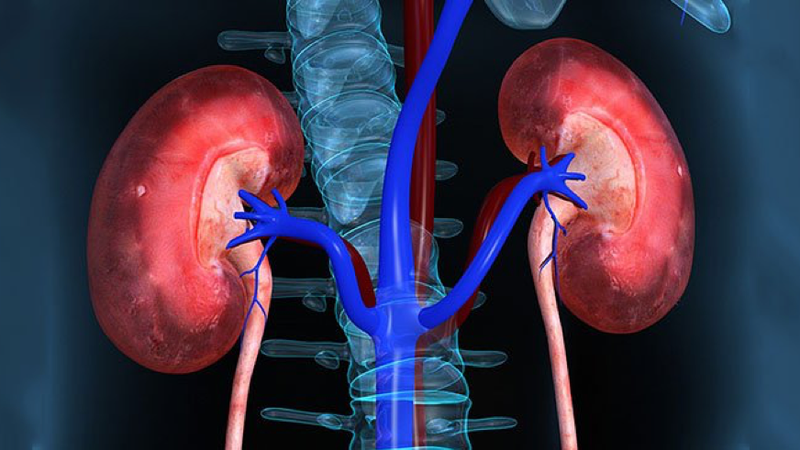
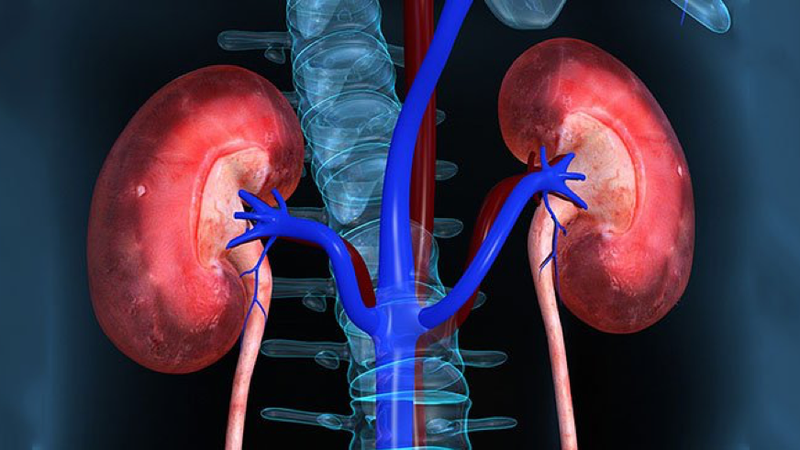
Your kidneys work around the clock to filter waste, balance fluids, regulate blood pressure, and maintain essential minerals in your body. Despite their importance, many people unknowingly adopt daily habits that place unnecessary strain on these vital organs.
Health experts say one of the most common habits associated with kidney problems is not drinking enough water throughout the day. While this habit alone does not directly cause kidney disease in every person, chronic dehydration can increase the workload on the kidneys and contribute to certain kidney-related conditions over time.
Why Hydration Matters
The kidneys rely on adequate water intake to effectively remove waste products and excess minerals from the bloodstream.
When the body does not receive enough fluids:
- Urine becomes more concentrated.
- Waste products remain in higher concentrations.
- The kidneys must work harder to filter the blood.
- The risk of developing kidney stones may increase in susceptible individuals.
Persistent dehydration, especially in hot climates or during strenuous physical activity, may contribute to long-term kidney stress.
Signs You May Not Be Drinking Enough Water
Common signs of dehydration include:
- Dark yellow urine
- Dry mouth
- Fatigue
- Headaches
- Dizziness
- Infrequent urination
These symptoms do not necessarily indicate kidney damage, but they may signal that your body needs more fluids.
Other Everyday Habits That Can Affect Kidney Health
Besides inadequate hydration, doctors also warn about several lifestyle habits that may increase the risk of kidney problems.
1. Excessive Salt Intake
Consuming too much sodium can contribute to high blood pressure, which is one of the leading causes of chronic kidney disease.
Common high-sodium foods include:
- Processed meats
- Instant noodles
- Packaged snacks
- Fast food
- Canned soups
Reducing sodium intake can help protect both your kidneys and your cardiovascular health.
2. Frequent Use of Pain Relievers
Long-term or excessive use of certain over-the-counter pain medications—particularly nonsteroidal anti-inflammatory drugs (NSAIDs)—may damage the kidneys, especially in people with existing kidney disease or dehydration.
Always use medications according to medical advice.
3. Drinking Sugary Beverages Excessively
Regular consumption of sugar-sweetened beverages may contribute to obesity, diabetes, and high blood pressure, all of which are significant risk factors for chronic kidney disease.
Replacing sugary drinks with water is a healthier choice for overall well-being.
4. Ignoring High Blood Pressure and Diabetes
These two conditions are among the most common causes of kidney failure worldwide.
Routine health checkups and proper management of blood sugar and blood pressure are essential for protecting kidney function.
How to Keep Your Kidneys Healthy
Healthy habits that support kidney function include:
- Drink enough water based on your activity level, climate, and medical needs.
- Eat a balanced diet rich in fruits and vegetables.
- Limit excess salt and highly processed foods.
- Exercise regularly.
- Maintain a healthy weight.
- Avoid smoking.
- Limit alcohol consumption.
- Take medications only as directed.
- Schedule regular medical checkups, especially if you have diabetes or hypertension.
When Should You See a Doctor?
Seek medical advice if you experience symptoms such as:
- Blood in the urine
- Persistent swelling of the legs or ankles
- Pain in the lower back or side
- Foamy urine
- Frequent nighttime urination
- Persistent fatigue
- Unexplained high blood pressure
Early detection allows many kidney conditions to be treated before significant damage occurs.
Final Thoughts
Not drinking enough water is a common habit that can place additional stress on your kidneys, especially when combined with other risk factors such as excessive salt intake, uncontrolled diabetes, or high blood pressure.
Although dehydration alone does not automatically lead to kidney disease, maintaining proper hydration and adopting healthy lifestyle habits are important steps toward protecting kidney function for years to come.
Disclaimer: This article is for educational purposes only and should not replace professional medical advice. If you have concerns about your kidney health or experience persistent symptoms, consult a qualified healthcare provider for evaluation and personalized recommendations.



Để lại một bình luận