


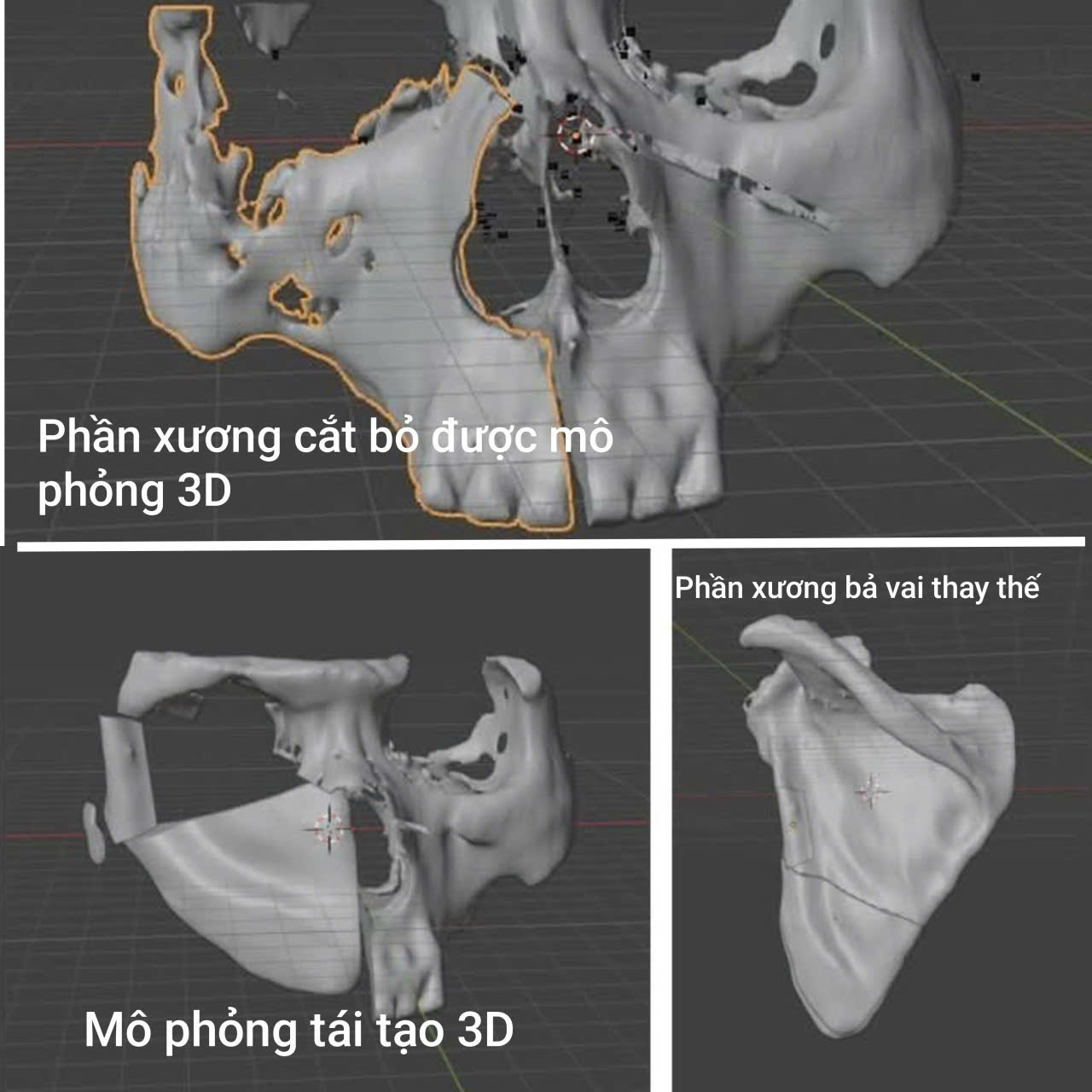
Hanoi Man Loses Part of His Face in Just Three Months: What Could Cause Such Rapid Tissue Damage?
A recent medical case involving a man in Hanoi who reportedly lost part of his facial tissue within just three months has drawn widespread attention. While the phrase “face being eaten away” is dramatic, it typically refers to severe tissue destruction caused by an aggressive underlying disease, rather than the face literally being consumed.
Medical experts emphasize that rapid facial damage can result from several serious conditions, all of which require urgent evaluation and treatment.
What Can Cause Rapid Facial Tissue Destruction?
Several medical conditions may lead to significant damage to facial skin, soft tissue, or bone over a relatively short period.
1. Skin Cancer
Certain forms of skin cancer, particularly basal cell carcinoma and squamous cell carcinoma, can progressively destroy nearby tissue if left untreated.
Warning signs may include:
- A sore that does not heal.
- Persistent bleeding.
- An enlarging ulcer.
- Crusting or scabbing.
- Changes in the appearance of a skin lesion.
Although many skin cancers grow slowly, delayed treatment can result in extensive local damage.
2. Head and Neck Cancers
Cancers involving the nose, sinuses, oral cavity, or surrounding structures may invade nearby tissues.
Possible symptoms include:
- Facial swelling.
- Persistent pain.
- Nasal obstruction.
- Nosebleeds.
- Difficulty chewing or swallowing.
- Unexplained weight loss.
Early diagnosis greatly improves treatment outcomes.
3. Serious Infections
Certain bacterial or fungal infections can rapidly destroy tissue, especially in people with weakened immune systems or uncontrolled diabetes.
Examples include:
- Necrotizing soft tissue infections.
- Invasive fungal infections.
- Severe dental infections that spread into facial tissues.
These conditions are medical emergencies requiring immediate treatment.
4. Chronic Untreated Wounds
Persistent wounds that remain untreated may become infected or continue to enlarge over time.
Risk factors include:
- Poor circulation.
- Diabetes.
- Smoking.
- Weakened immune function.
Who Is at Higher Risk?
Factors that may increase the risk of severe facial disease include:
- Older age.
- Excessive sun exposure.
- Smoking.
- Heavy alcohol consumption.
- Diabetes.
- Weakened immune system.
- Delaying medical care when symptoms first appear.
Not everyone with these risk factors will develop serious disease, but awareness is important.
Warning Signs You Should Never Ignore
Seek medical attention if you notice:
- A wound that does not heal within several weeks.
- Rapidly growing lumps or ulcers.
- Persistent bleeding from a skin lesion.
- Facial swelling or numbness.
- Severe facial pain.
- Difficulty opening the mouth.
- Unexplained weight loss.
- Persistent bad odor from a wound.
Early evaluation can help identify the underlying cause before extensive tissue damage occurs.
Why Early Diagnosis Matters
Many conditions that damage facial tissue are far more treatable when detected early.
Prompt medical care may:
- Prevent further tissue destruction.
- Reduce the need for extensive surgery.
- Improve cosmetic outcomes.
- Increase the likelihood of successful treatment.
- Improve overall survival in cases of cancer.
Delaying treatment allows many diseases to continue progressing.
How Can You Protect Yourself?
Doctors recommend several preventive measures:
- Protect your skin from excessive ultraviolet (UV) exposure.
- Avoid smoking.
- Maintain good oral hygiene.
- Manage chronic illnesses such as diabetes.
- Attend routine medical and dental checkups.
- Seek medical advice promptly if unusual skin changes or persistent wounds develop.
Final Thoughts
Rapid destruction of facial tissue over just a few months is uncommon but can occur as a result of serious conditions such as aggressive infections or certain cancers. Although media headlines may describe the condition dramatically, the underlying issue is typically a disease causing progressive tissue damage.
Persistent facial wounds, ulcers, swelling, or unexplained changes should never be ignored. Early medical evaluation remains the most effective way to identify the cause, begin appropriate treatment, and reduce the risk of permanent complications.
Disclaimer: This article is for educational purposes only and should not replace professional medical advice. If you experience persistent facial wounds, swelling, or other concerning symptoms, consult a qualified healthcare professional as soon as possible.


Để lại một bình luận