


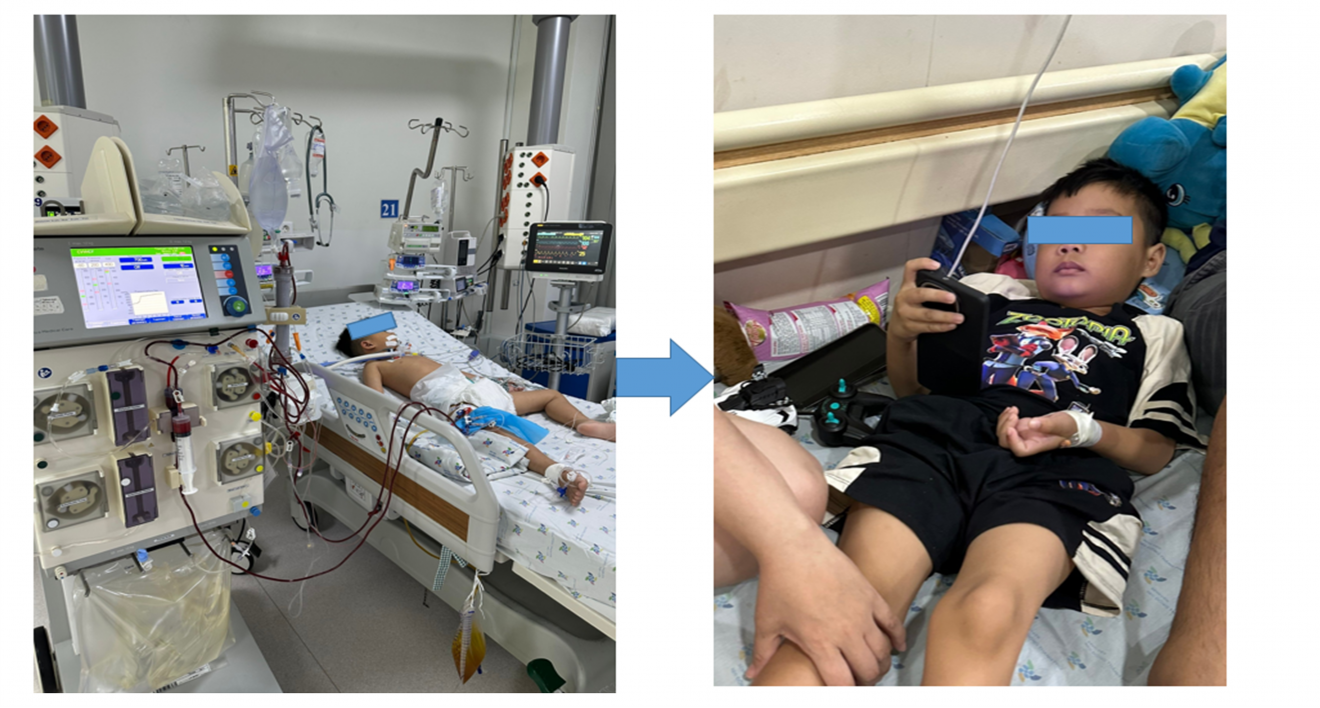
Plasma Exchange Saves 4-Year-Old Boy with Severe Paracetamol Poisoning
Plasma Exchange Saves 4-Year-Old Boy with Severe Paracetamol Poisoning
A 4½-year-old boy was successfully treated after developing severe paracetamol (acetaminophen) poisoning, with doctors using plasma exchange alongside intensive medical care to help save his life. The case highlights the potentially life-threatening consequences of paracetamol overdose and the importance of seeking immediate medical attention when an overdose is suspected.
Although paracetamol is widely regarded as a safe and effective medication when taken as directed, excessive doses can cause serious liver damage, particularly in children.
Why Can Paracetamol Overdose Be Dangerous?
Paracetamol is commonly used to reduce fever and relieve pain. However, taking more than the recommended dose can overwhelm the liver’s ability to safely process the medication.
When this happens, a toxic byproduct called N-acetyl-p-benzoquinone imine (NAPQI) accumulates. If not neutralized, NAPQI can damage liver cells and may lead to:
- Acute liver failure.
- Blood clotting abnormalities.
- Brain dysfunction related to liver failure (hepatic encephalopathy).
- Multi-organ failure in severe cases.
Without prompt treatment, severe poisoning can be life-threatening.
What Is Plasma Exchange?
Plasma exchange, also known as therapeutic plasma exchange (TPE), is a medical procedure in which a patient’s plasma is removed and replaced with donor plasma or a replacement fluid.
In selected cases of severe poisoning or acute liver failure, plasma exchange may help:
- Remove harmful substances circulating in the blood.
- Reduce inflammatory mediators.
- Improve blood clotting factors.
- Support organ function while the liver recovers.
It is typically used as part of comprehensive intensive care rather than as a routine treatment for all cases of paracetamol overdose.
Standard Treatment for Paracetamol Poisoning
The primary treatment for paracetamol overdose is the antidote N-acetylcysteine (NAC).
When administered promptly—ideally within the first 8 hours after an overdose—NAC can significantly reduce the risk of serious liver injury.
Additional treatment may include:
- Blood tests to monitor liver function.
- Measurement of paracetamol levels when appropriate.
- Intravenous fluids.
- Intensive monitoring.
- Advanced liver support therapies in severe cases.
The choice of treatment depends on factors such as the amount ingested, the time since ingestion, and the patient’s clinical condition.
Warning Signs of Paracetamol Poisoning
Early symptoms may be mild or absent, making overdose particularly dangerous.
Possible symptoms include:
- Nausea and vomiting.
- Loss of appetite.
- Sweating.
- Fatigue.
- Abdominal pain, especially in the upper right side.
- Confusion or drowsiness in advanced cases.
- Yellowing of the skin or eyes if liver injury develops.
Because symptoms can initially appear mild, medical evaluation should not be delayed after a suspected overdose.
Preventing Accidental Overdose in Children
Parents and caregivers can reduce the risk of poisoning by:
- Keeping all medications out of children’s reach.
- Using the correct pediatric formulation.
- Measuring liquid medications with the supplied dosing device.
- Following weight-based dosing instructions.
- Avoiding giving multiple medications that contain paracetamol at the same time.
- Consulting a healthcare professional if unsure about the appropriate dose.
Careful attention to dosing is especially important in young children.
When Should You Seek Emergency Care?
Seek immediate medical attention if:
- A child may have taken more than the recommended dose of paracetamol.
- The amount ingested is unknown.
- The child develops persistent vomiting, unusual sleepiness, or confusion.
- There are signs of liver injury, such as jaundice or severe abdominal pain.
Early treatment offers the best chance of preventing serious complications.
Final Thoughts
The successful treatment of a 4½-year-old boy with severe paracetamol poisoning demonstrates the importance of rapid diagnosis and specialized medical care. While plasma exchange may be considered in selected severe cases, early administration of the antidote N-acetylcysteine remains the cornerstone of treatment for paracetamol overdose.
Parents should always use medications exactly as directed and seek immediate medical care whenever an overdose is suspected, even if the child appears well.
Disclaimer: This article is for informational purposes only and should not replace professional medical advice. If you suspect a medication overdose, contact your local emergency medical services or a poison control center immediately

Để lại một bình luận